

There’s a particular kind of evening that’s making a comeback in Sydney.
Not the big night out with a fixed itinerary. Not the quiet drink that ends after an hour. Something in between. Where you meet at 7pm with loose plans and find yourself still there at midnight because the night found its own rhythm.
These evenings used to happen more often. You’d wander into somewhere and see where it lead. The venue held the options, and you worked out what you wanted as the night unfolded. Then somewhere along the way, Sydney’s social landscape became more rigid. Everything got categorised and optimised. You had to commit to what kind of night you were having before you’d actually had it.
But something’s shifting. Spaces are emerging that bring back that flexibility. Places where you can talk, or play something, or just watch other people while nursing a drink. Where six people with completely different ideas about what makes a good Friday night can all find their version without anyone feeling like they’re compromising.
Turns out this was exactly what a lot of people have been looking for.
These evenings used to happen more often. You’d wander into somewhere and see where it lead. The venue held the options, and you worked out what you wanted as the night unfolded. Then somewhere along the way, Sydney’s social landscape became more rigid. Everything got categorised and optimised. You had to commit to what kind of night you were having before you’d actually had it.
But something’s shifting. Spaces are emerging that bring back that flexibility. Places where you can talk, or play something, or just watch other people while nursing a drink. Where six people with completely different ideas about what makes a good Friday night can all find their version without anyone feeling like they’re compromising.
Turns out this was exactly what a lot of people have been looking for.
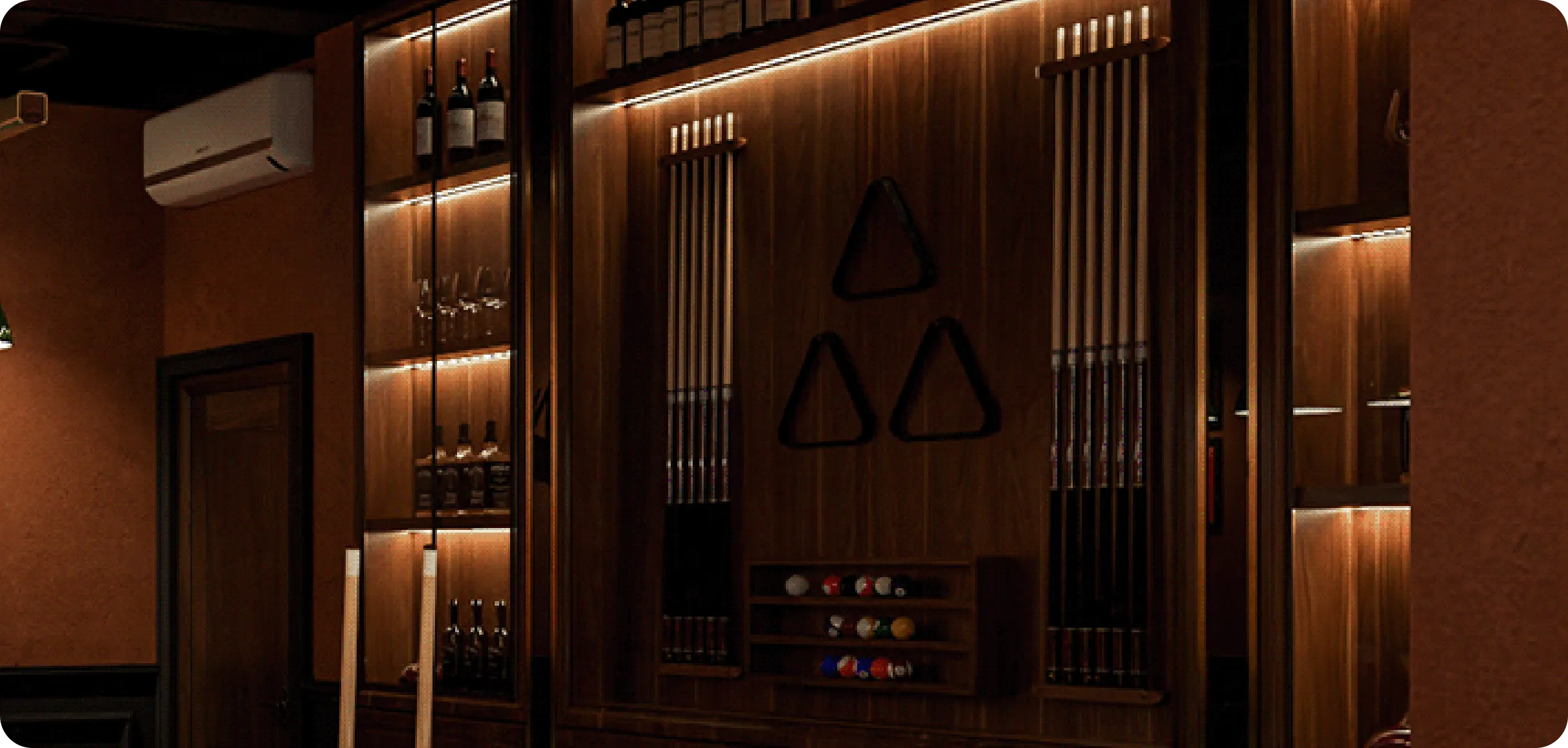
The planning problem everyone recognises
You’re organising drinks with six people. Two want to catch up properly and talk. One’s driving and not drinking. Another wants something to do with their hands because sitting and chatting for three hours feels awkward. Someone else is bringing their partner who doesn’t know the group well yet. And you need somewhere that works for all of them without making anyone feel like they’re compromising.
The traditional options don’t quite fit. A bar means standing around trying to talk over noise, and the person who’s not drinking feels like they’re taking up space. A restaurant means everyone’s locked into eating, and the meal ends just when the conversation’s getting good. A club means dancing and trying to talk over loud music, and half your group doesn’t want to dance.
What you want is somewhere in between. A space where people can talk, or not talk, or do something that gives the conversation natural breaks, or just watch other people do things while enjoying a drink. Somewhere that doesn’t have a fixed agenda for what kind of night you’re supposed to be having.
Turns out Sydney doesn’t have many of those.
The traditional options don’t quite fit. A bar means standing around trying to talk over noise, and the person who’s not drinking feels like they’re taking up space. A restaurant means everyone’s locked into eating, and the meal ends just when the conversation’s getting good. A club means dancing and trying to talk over loud music, and half your group doesn’t want to dance.
What you want is somewhere in between. A space where people can talk, or not talk, or do something that gives the conversation natural breaks, or just watch other people do things while enjoying a drink. Somewhere that doesn’t have a fixed agenda for what kind of night you’re supposed to be having.
Turns out Sydney doesn’t have many of those.
Why pool halls are easier to say "yes" to
Some social spaces work because they’re flexible. Upmarket pool halls are one of them.
They offer enough structure to give people something to do, without forcing the night into a single shape. There’s room to move, sit, regroup, talk, play, or simply watch. Food and drinks support staying, rather than pushing things along.
For a long time, though, pool halls weren’t always thought of this way. Many people still associate them mainly with the game itself, rather than as places designed for groups to spend time together at their own pace.
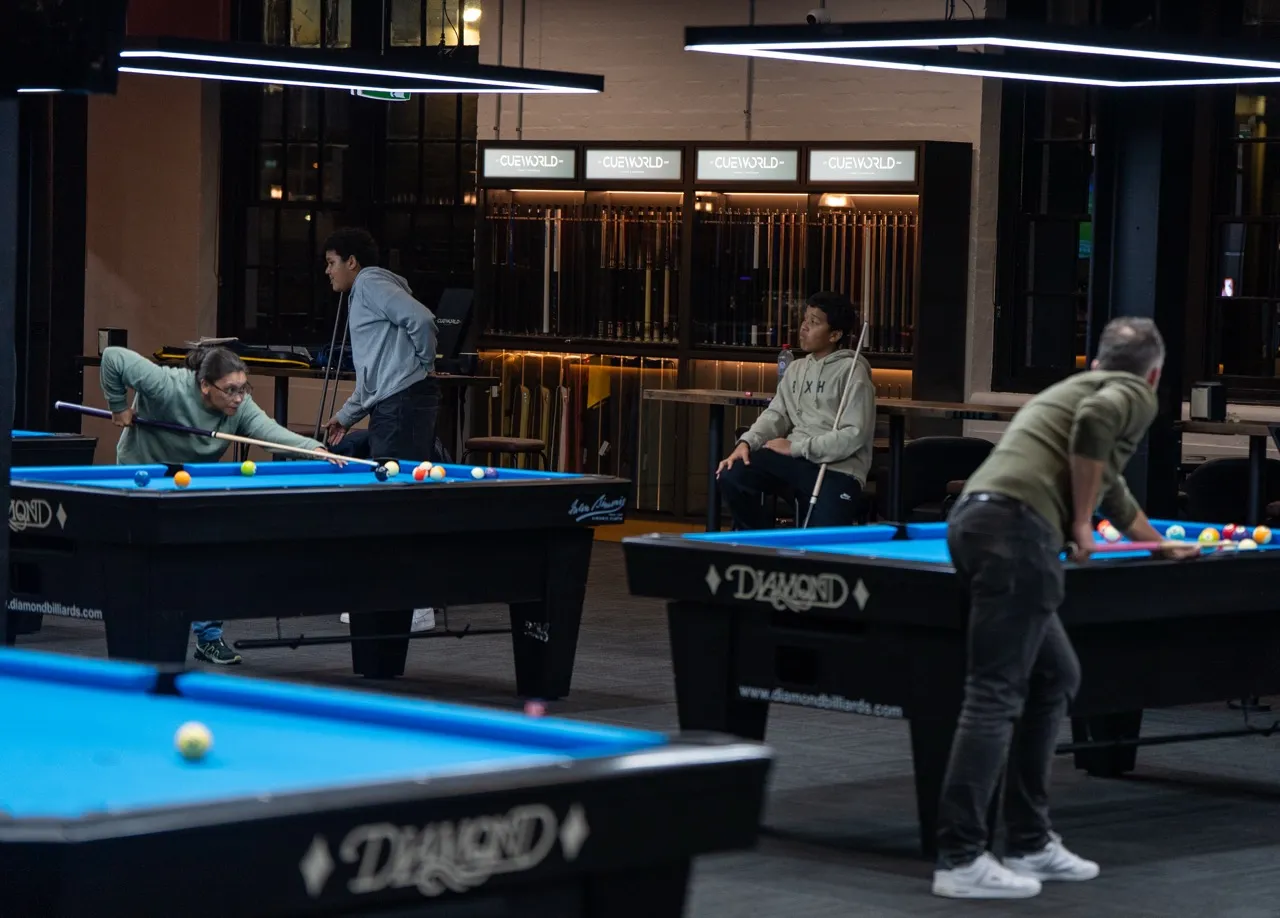
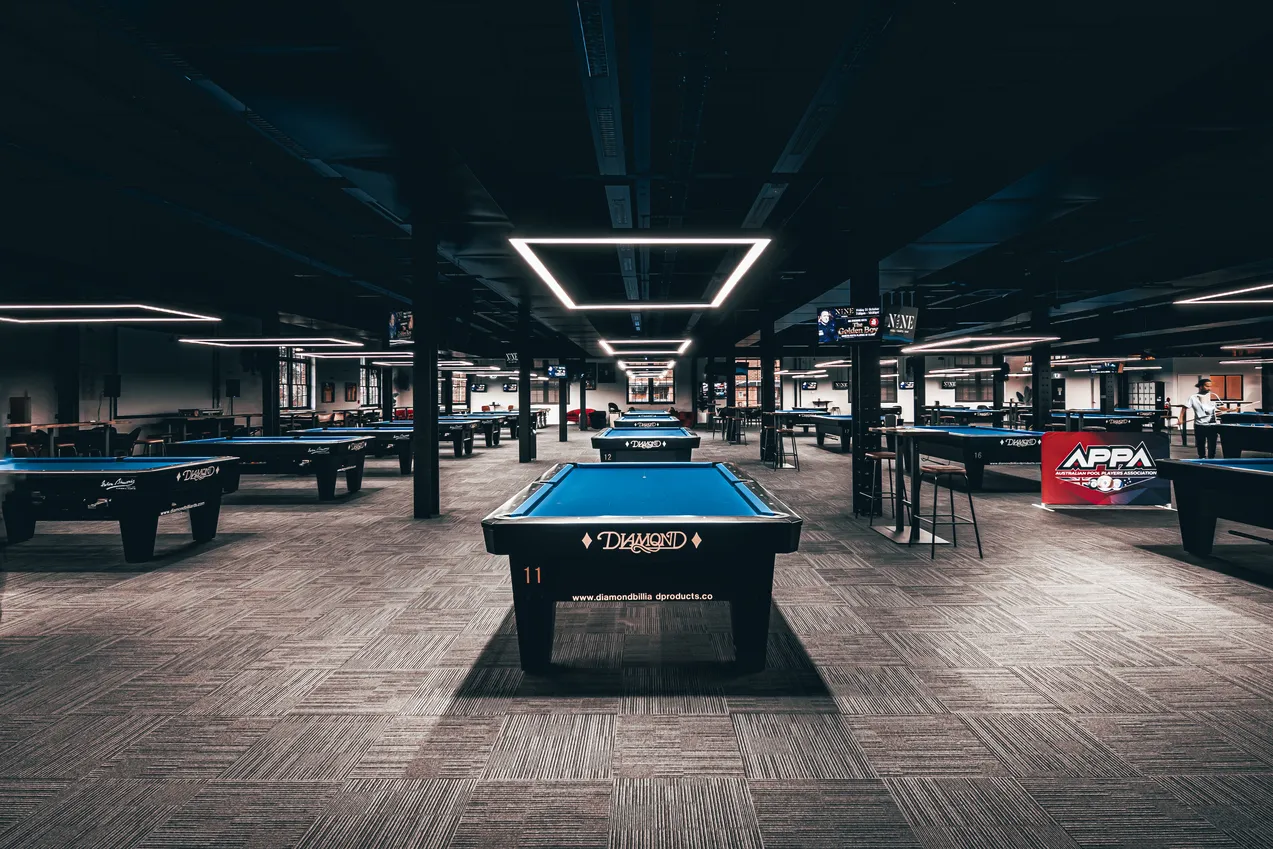
Meanwhile, some venues have evolved. Layouts have opened up. Lighting improved. Food and drink became part of the experience. Multiple sports and games were added. The focus shifted toward comfort and flow, making it easier for different kinds of groups to share the same space.
What lagged was not the venues, but expectations. So when a pool hall was suggested, some people pictured a night that asked more of them than it actually did.
Once people see how these spaces function now, that hesitation fades quickly. What sounds like a specific suggestion turns out to be a practical one, a place that adapts to the night rather than defining it.
They offer enough structure to give people something to do, without forcing the night into a single shape. There’s room to move, sit, regroup, talk, play, or simply watch. Food and drinks support staying, rather than pushing things along.
For a long time, though, pool halls weren’t always thought of this way. Many people still associate them mainly with the game itself, rather than as places designed for groups to spend time together at their own pace.
Meanwhile, some venues have evolved. Layouts have opened up. Lighting improved. Food and drink became part of the experience. Multiple sports and games were added. The focus shifted toward comfort and flow, making it easier for different kinds of groups to share the same space.
What lagged was not the venues, but expectations. So when a pool hall was suggested, some people pictured a night that asked more of them than it actually did.
Once people see how these spaces function now, that hesitation fades quickly. What sounds like a specific suggestion turns out to be a practical one, a place that adapts to the night rather than defining it.
What changed?
The interesting thing is that pool as an activity never really went away. It just got pushed underground into people’s assumptions about who plays it and where. Actual pool halls will tell you they’ve never struggled for regular players. The competitive scene is healthy. League nights are busy. People who love the game keep playing the game.
But there’s a much larger group who played pool occasionally, enjoyed it, and then stopped because they couldn’t work out where to play that didn’t feel intimidating or depressing or aggressively focused on competition.
These people didn’t stop wanting to play pool. They stopped thinking of it as an option for a normal night out. It became something you did on holiday when there happened to be a table in a pub, or at someone’s house if they had a table, or not at all.
This is the group that venues are trying to reach now. Not by changing what pool is, but by changing the context around it. Making it one element of a night out rather than the entire reason for going somewhere.
But there’s a much larger group who played pool occasionally, enjoyed it, and then stopped because they couldn’t work out where to play that didn’t feel intimidating or depressing or aggressively focused on competition.
These people didn’t stop wanting to play pool. They stopped thinking of it as an option for a normal night out. It became something you did on holiday when there happened to be a table in a pub, or at someone’s house if they had a table, or not at all.
This is the group that venues are trying to reach now. Not by changing what pool is, but by changing the context around it. Making it one element of a night out rather than the entire reason for going somewhere.
The "third space"
Urban planners and sociologists talk about “third spaces.” Not home (first space) or work (second space), but the informal public spaces where community happens. Cafes, parks, libraries, community centres. Places you can go without spending much money or having a specific purpose beyond existing in a social environment.
Sydney’s relationship with third spaces has always been complicated by cost and density. Cafes are expensive. Parks are great but weather dependent and limited after dark. Libraries close early. Community centres exist but often feel programmatic rather than spontaneous.
For decades, pubs filled this gap. But pubs have increasingly optimised themselves toward drinking as the primary activity, often at volumes that make conversation difficult. They work if you want to drink and shout, less well if you want to talk and incidentally have a drink.
This has created demand for spaces that function like third spaces but are commercial venues. Places where you can pay for entry or drinks or food, but where the real product is the space and time rather than what you’re consuming. Where spending three hours is normal rather than them trying to turn your table.
Pool halls, bowling alleys, and similar venues sit oddly in this category. They’re commercial, but they’re not optimised for throughput. Games take time. People linger. The business model depends on occupation rather than rapid turnover. Which makes them, accidentally, some of the few spaces in Sydney where you can properly settle in for an evening without feeling rushed.
Sydney’s relationship with third spaces has always been complicated by cost and density. Cafes are expensive. Parks are great but weather dependent and limited after dark. Libraries close early. Community centres exist but often feel programmatic rather than spontaneous.
For decades, pubs filled this gap. But pubs have increasingly optimised themselves toward drinking as the primary activity, often at volumes that make conversation difficult. They work if you want to drink and shout, less well if you want to talk and incidentally have a drink.
This has created demand for spaces that function like third spaces but are commercial venues. Places where you can pay for entry or drinks or food, but where the real product is the space and time rather than what you’re consuming. Where spending three hours is normal rather than them trying to turn your table.
Pool halls, bowling alleys, and similar venues sit oddly in this category. They’re commercial, but they’re not optimised for throughput. Games take time. People linger. The business model depends on occupation rather than rapid turnover. Which makes them, accidentally, some of the few spaces in Sydney where you can properly settle in for an evening without feeling rushed.
What good venues worked out
The venues that successfully made this transition didn’t try to stop being what they were. They didn’t rebrand as bars that happened to have pool tables. They stayed pool halls but changed everything around the pool.
Lighting got better. Not bright overhead fluorescents that make everything look institutional, but varied lighting that creates different zones and moods. Seating became a priority. Not just bar stools but proper areas where people could sit, talk, watch games, or decompress between rounds. Space opened up. Tables weren’t crammed together. You could move around without constantly apologising for bumping into people.
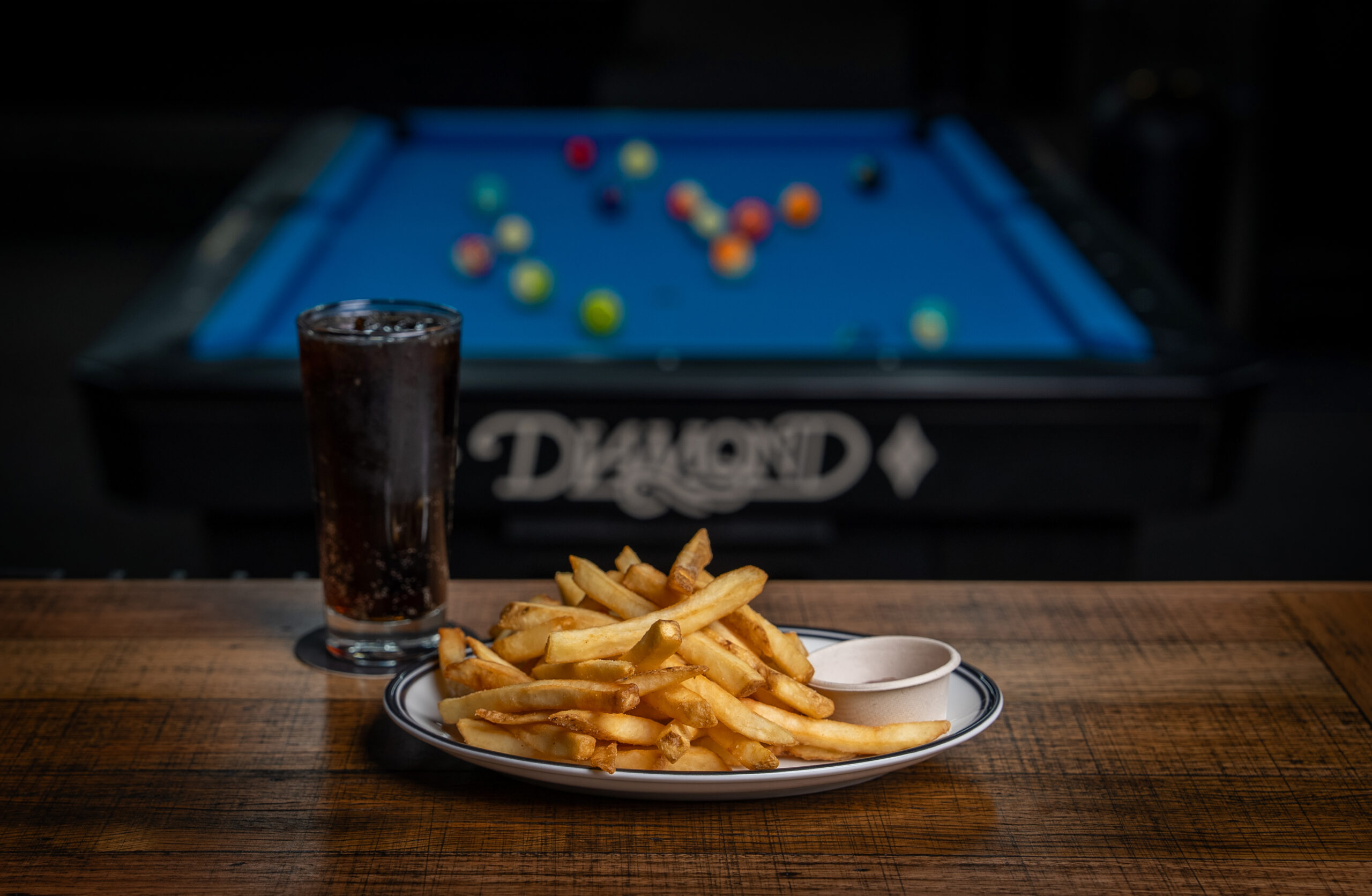
Food and drink offerings improved, but without trying to be a restaurant. The goal wasn’t to serve elaborate meals, just to make sure people could eat something decent without leaving. Drinks went beyond basic beer and softdrink to include wine, cocktails, and non-alcoholic options that didn’t make non-drinkers feel like an afterthought.
Most importantly, these venues stopped treating serious players and casual players as separate categories. Competition nights happen, but they’re scheduled and contained. The rest of the time, it’s understood that people are there for different reasons. Some want to play well. Others want to mess around while they talk. Both are welcome, and neither is made to feel like they’re in the wrong place.
Lighting got better. Not bright overhead fluorescents that make everything look institutional, but varied lighting that creates different zones and moods. Seating became a priority. Not just bar stools but proper areas where people could sit, talk, watch games, or decompress between rounds. Space opened up. Tables weren’t crammed together. You could move around without constantly apologising for bumping into people.
Food and drink offerings improved, but without trying to be a restaurant. The goal wasn’t to serve elaborate meals, just to make sure people could eat something decent without leaving. Drinks went beyond basic beer and softdrink to include wine, cocktails, and non-alcoholic options that didn’t make non-drinkers feel like an afterthought.
Most importantly, these venues stopped treating serious players and casual players as separate categories. Competition nights happen, but they’re scheduled and contained. The rest of the time, it’s understood that people are there for different reasons. Some want to play well. Others want to mess around while they talk. Both are welcome, and neither is made to feel like they’re in the wrong place.
Why this works for mixed groups
The thing that makes these spaces work for Sydney’s actual social patterns is that they handle asymmetry well. Not everyone in a group wants the same thing at the same time, and most venues force you to pick one experience that not everyone will enjoy.
At a renovated pool hall (or bowling alley, or similar space), you can have:
At a renovated pool hall (or bowling alley, or similar space), you can have:
The person who wants to play and takes it semi-seriously.
The person who wants to play but doesn’t care about winning.
The person who’d rather watch and chat.
The person who wants to sit at the bar with a drink.
The person who’s on their phone half the time.
The person who’s there because their friends are there.
All of these people can coexist without anyone feeling like they’re ruining the night for anyone else. The space accommodates different energy levels and engagement styles without making anyone feel wrong for being there.
This is particularly valuable for work groups or friends who don’t see each other regularly. When you’re trying to accommodate people with different relationships to alcohol, different comfort levels with loud environments, and different preferences for structured versus unstructured time, having a space that works for all of them stops being nice to have and starts being essential.
This is particularly valuable for work groups or friends who don’t see each other regularly. When you’re trying to accommodate people with different relationships to alcohol, different comfort levels with loud environments, and different preferences for structured versus unstructured time, having a space that works for all of them stops being nice to have and starts being essential.
The licensed venue advantage
One often-overlooked factor in making these venues work for broader audiences is licensing. When a pool hall is properly licensed as a bar or restaurant, the dynamic changes. It’s not a pool hall where you can drink. It’s a social venue where you can play pool.
This distinction matters more than it sounds. Licensed venues attract different crowds, maintain different standards, and operate under different expectations. Security exists. Staff are trained in responsible service. The environment is managed. These things signal to potential visitors that this is a place you can bring anyone, not just people comfortable with rougher edges.
For women in particular, this makes a significant difference. Pool halls have historically felt male-dominated and sometimes unwelcoming. Licensed venues with good lighting, proper security, and clear house rules shift that perception. They’re still spaces where you might be the only woman at a table, but they’re spaces where that’s okay rather than uncomfortable.
This isn’t about sanitising venues or removing character. It’s about removing the barriers that kept entire demographics from considering these spaces as options for their night out.
This distinction matters more than it sounds. Licensed venues attract different crowds, maintain different standards, and operate under different expectations. Security exists. Staff are trained in responsible service. The environment is managed. These things signal to potential visitors that this is a place you can bring anyone, not just people comfortable with rougher edges.
For women in particular, this makes a significant difference. Pool halls have historically felt male-dominated and sometimes unwelcoming. Licensed venues with good lighting, proper security, and clear house rules shift that perception. They’re still spaces where you might be the only woman at a table, but they’re spaces where that’s okay rather than uncomfortable.
This isn’t about sanitising venues or removing character. It’s about removing the barriers that kept entire demographics from considering these spaces as options for their night out.
What Sydney needs more of
Sydney’s social scene has become increasingly polarised. You can go somewhere expensive and polished, or somewhere cheap and rough. Somewhere deafeningly loud, or somewhere so quiet it feels awkward to laugh. Somewhere that demands you drink heavily, or somewhere that makes you feel unwelcome if you’re having more than one.
What’s harder to find are venues that sit comfortably in the middle. Places that feel intentional without being precious. That are designed well without being intimidating. That welcome serious engagement and casual presence equally. That work for a first date, a work gathering, a group of old friends, or killing time before a movie.
What’s harder to find are venues that sit comfortably in the middle. Places that feel intentional without being precious. That are designed well without being intimidating. That welcome serious engagement and casual presence equally. That work for a first date, a work gathering, a group of old friends, or killing time before a movie.
These venues exist, but they’re surprisingly rare given how much demand there is for them. And many of the ones that do exist are still fighting perceptions from twenty years ago about what kind of place they are and who they’re for.
The pool halls that have successfully repositioned themselves aren’t creating something new. They’re revealing something that was always there but obscured by outdated assumptions. The space was always good. The activity was always social. The potential was always present. It just needed the context to catch up with the reality.
The pool halls that have successfully repositioned themselves aren’t creating something new. They’re revealing something that was always there but obscured by outdated assumptions. The space was always good. The activity was always social. The potential was always present. It just needed the context to catch up with the reality.
The night out Sydney forgot it wanted
There’s a particular kind of evening that people remember fondly but struggle to recreate. Not a big night. Not a quiet drink. Something in between. Where you start at 7pm not sure how the night will go, and end up leaving at midnight having talked more than you expected, laughed more than planned, and done something with your hands that gave the conversation natural rhythm.
These nights used to happen more easily. Pubs were quieter. Spaces were less specialised. You could wander into somewhere and see what developed. Now everything feels optimised and categorised. You have to pick the kind of night you’re having before you’ve had it.
What’s becoming clear is that a lot of people want that middle ground back. The ability to go somewhere without the night being predetermined. Where you can play a game, or not. Drink, or not. Talk seriously, or not. Where the space holds the options and you work out what you want as you go.
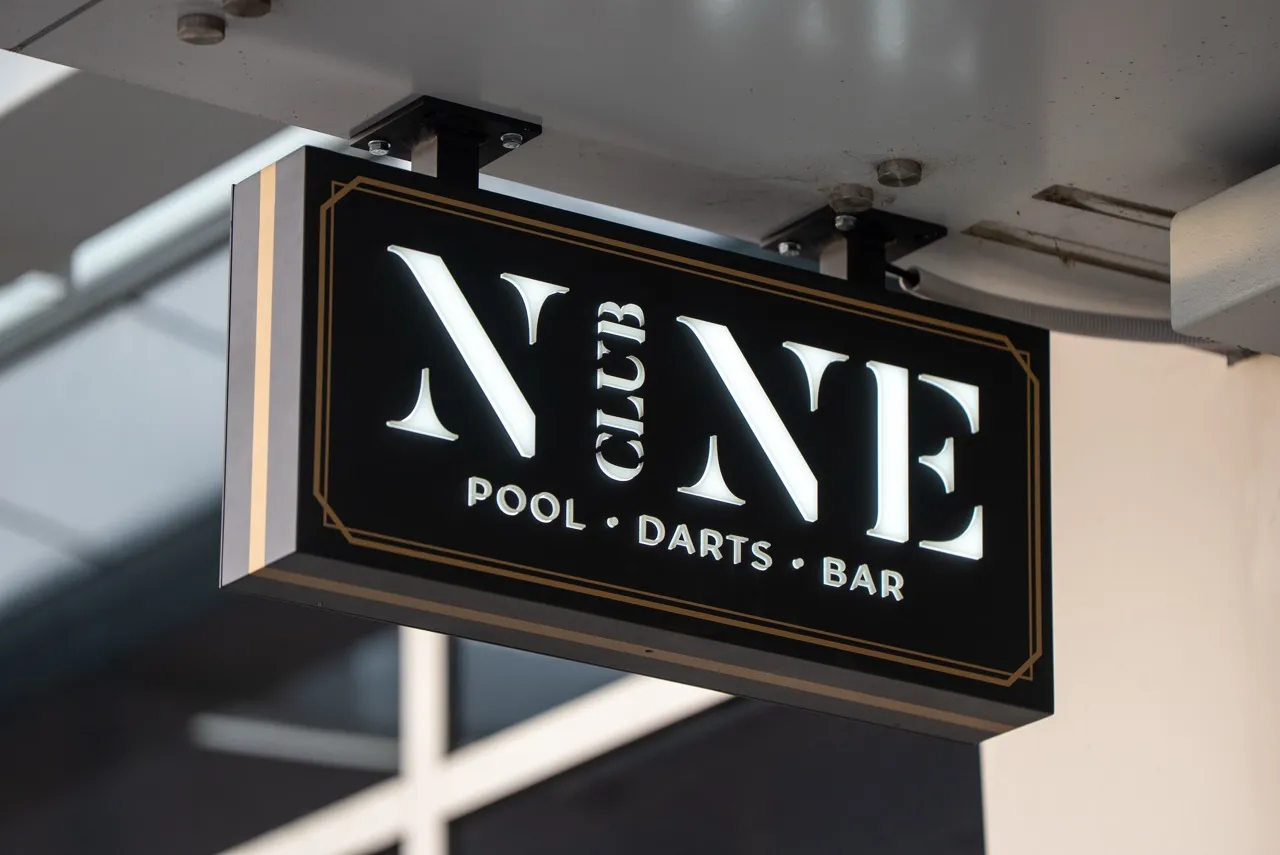
Pool Halls like Club 9 are one of few spaces in Sydney offering this now. Their format accidentally provides what people have been missing. Space, time, options, and the freedom to work out what kind of night you’re having while you’re having it.
For a city that’s always struggled with third spaces and in-between options, that’s becoming valuable enough that old assumptions are finally starting to shift. Not because venues are forcing the change, but because enough people have worked out that the place they’ve been looking for might have been there all along.
They just had to get past thinking of it as a pool hall.
These nights used to happen more easily. Pubs were quieter. Spaces were less specialised. You could wander into somewhere and see what developed. Now everything feels optimised and categorised. You have to pick the kind of night you’re having before you’ve had it.
What’s becoming clear is that a lot of people want that middle ground back. The ability to go somewhere without the night being predetermined. Where you can play a game, or not. Drink, or not. Talk seriously, or not. Where the space holds the options and you work out what you want as you go.
Pool Halls like Club 9 are one of few spaces in Sydney offering this now. Their format accidentally provides what people have been missing. Space, time, options, and the freedom to work out what kind of night you’re having while you’re having it.
For a city that’s always struggled with third spaces and in-between options, that’s becoming valuable enough that old assumptions are finally starting to shift. Not because venues are forcing the change, but because enough people have worked out that the place they’ve been looking for might have been there all along.
They just had to get past thinking of it as a pool hall.
Frequently Asked Questions
Venues that combine space, atmosphere, and optional activities tend to suit mixed groups best. These are places where conversation is easy, movement is natural, and no one is expected to engage in a single activity all night.
Yes. Venues like Club9 sit between traditional bars and activity spaces, offering licensed environments with room to socialise, play casually, or simply spend time without a fixed agenda.
No. When games are integrated into a broader social setting, they often function as background features rather than the focus. This makes them accessible to people who want to watch, talk, or take part at their own pace.
Yes. Club 9 is designed as a social venue rather than a competitive hall, with licensed facilities and enough space for groups to gather comfortably, whether they choose to play or not.
They often do. Spaces that allow people to arrive at different times, move between areas, and shape the night organically tend to suit casual group gatherings and low pressure celebrations.